Belgian Cuisine
A close look at Belgian culinary heritage, from moules frites to street foods that still belong to daily life.

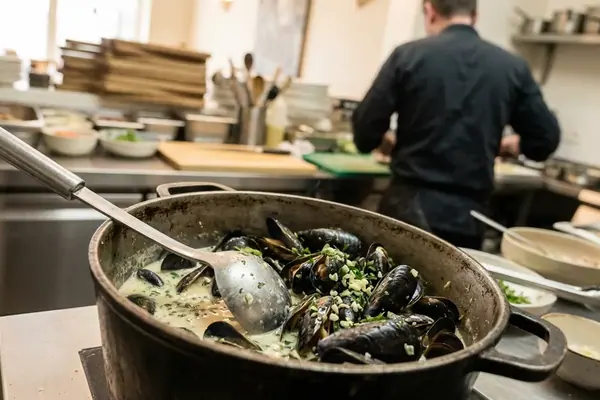
During our visit to Brussels center, the best meals rarely came from the loudest chalkboards. They came from kitchens that smelled of shallots, white wine, celery, and hot oil. That is the line we follow here: Belgian seafood as it is cooked, served, ordered, and remembered.

We write for travelers trying to avoid a flat tourist meal, for home cooks learning why mussels should be alive before steaming, and for anyone who believes a bowl of moules frites deserves more attention than a postcard caption.
If you are cooking tonight, start with our Classic Moules Marinières Recipe. If you are standing at a fish counter, read How to Select and Clean Fresh Mussels at Home before you buy.
Brussels dining makes more sense when you separate five things that often get mixed together: culinary heritage, seafood quality, restaurant culture, kitchen technique, and travel timing. Mussel Mongers keeps those lanes clear.
A close look at Belgian culinary heritage, from moules frites to street foods that still belong to daily life.

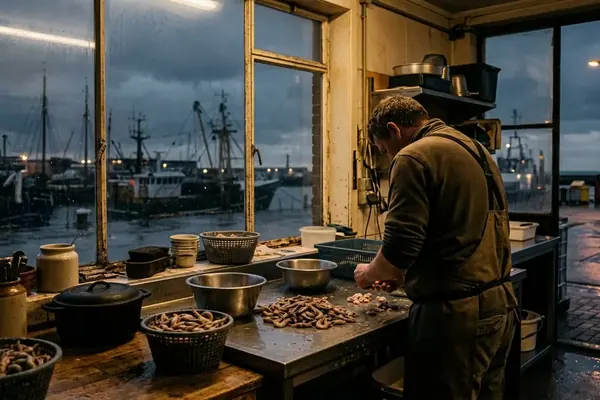
Practical guidance on sourcing, selecting, cleaning, and understanding mussels and North Sea seafood.

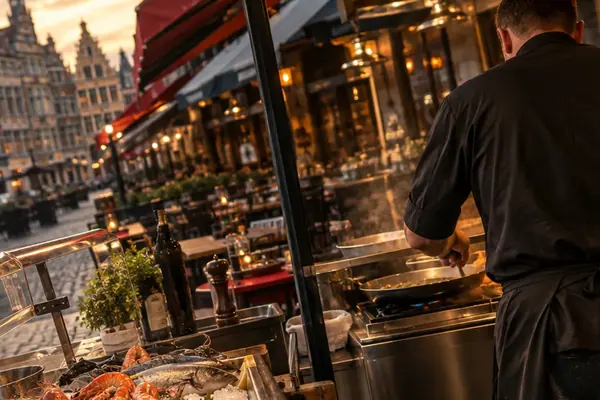
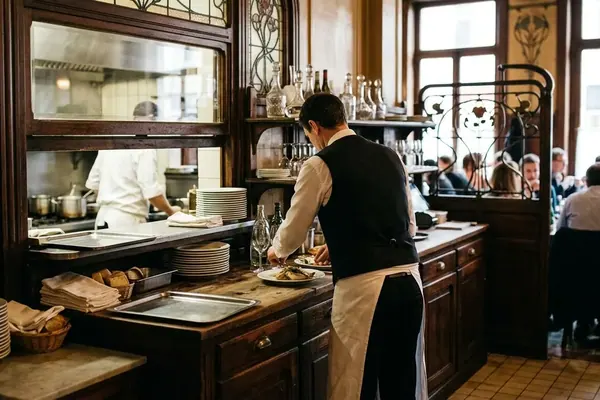
Restaurant notes, brasserie context, and honest help for navigating meals around Brussels center.

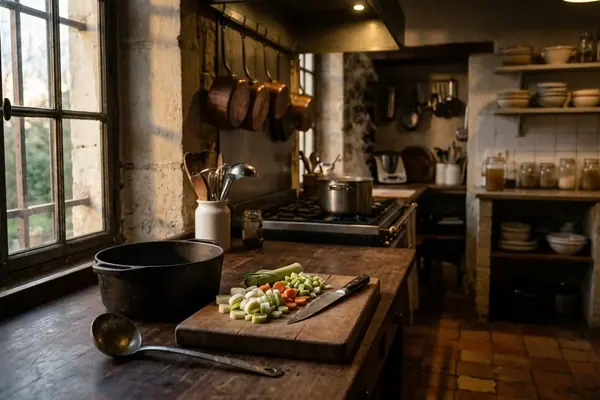
Step-by-step kitchen work for recreating Belgian seafood dishes without stripping away their character.

Food-minded itineraries for Belgium, with room for markets, cafés, frites shops, and proper seafood dinners.
The broth tells on the kitchen first. It should carry the sweetness of mussels, not bury it under salt or cream. The frites should arrive hot enough to make you pause before grabbing the first one.

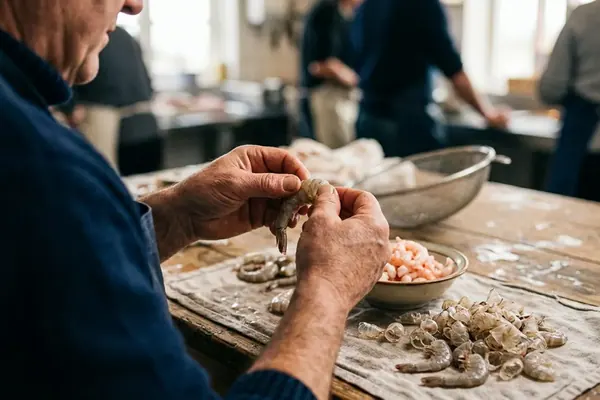
Good mussels smell clean and briny. Shells should be intact, and open mussels should close when tapped. That small check saves dinner.
Use a wide pot, build flavor before the mussels go in, and stop cooking once the shells open. Overcooked mussels lose their snap fast.
Look for focused menus, brisk table turnover, and staff who can explain the mussel preparation without reciting a script.
For a first Brussels seafood meal, choose a classic preparation before chasing novelty. Marinières gives you the clearest read on mussel quality, broth balance, and kitchen restraint.
Our restaurant notes are strongest for central Brussels, classic brasseries, and Belgian seafood staples; they are not meant to cover every coastal counter or every seasonal special in the country.
Our work comes from cooks, critics, sourcing specialists, and travel planners who care about the details that make Belgian seafood feel generous rather than generic.

Mathieu Vanderlinden leads culinary heritage coverage, with Sofie De Smet focused on North Sea seafood sourcing and Rajesh Iyer reading the chemistry behind broths, steam, and emulsions.
Giulia Mancuso tracks Brussels brasserie culture, Tobias Lindqvist shapes culinary travel routes, and Aïcha Benali turns field notes into recipes that home cooks can repeat with confidence.
Read next if you are planning a meal out: Navigating the Culinary Scene Around Grand Place. If the whole weekend is built around food, our Food Lover's Weekend Itinerary in Brussels keeps the pace sensible.